Watercolor Funny Cat Clipart for Creative Projects
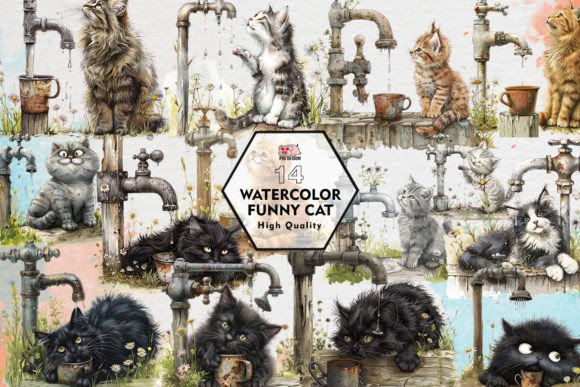
You open your design software, stare at the blank canvas, and know exactly what the project needs—something playful, a little irreverent, and visually soft. That precise moment is where Watercolor Funny Cat Clipart PNG enters the frame. These aren't stiff, vector-perfect illustrations. They are loose, expressive, and drenched in personality. Each cat arrives with watercolor textures that bleed at the edges, uneven pigment saturation, and expressions that range from mildly judgmental to gloriously derpy. The charm lives in the imperfections: the way the paint pools slightly around a paw, the soft gradient of a whisker, the knowing smirk on a tabby's face.
Designers and content creators increasingly reach for assets that feel handmade rather than machine-sliced. Watercolor clipart delivers that analog warmth instantly. Cats, with their infinite range of moods and postures, become the perfect vehicle for this style. Whether you need a feline rolling its eyes at a bad marketing brief or a loaf-shaped cat sipping tea from a tiny cup, this clipart category bridges professional design needs and genuine emotional connection.
Visual Personality and Style Characteristics
The first thing you notice is the variable opacity. True watercolor clipart preserves the translucency of real paint layers, so one cat might have dense pigment around its ears and a soft wash across its belly. This creates depth that flat vector cats simply cannot replicate. The palette typically leans toward pastel-infused colors—dusty pinks, muted lavenders, soft teals, and warm ochres—punctuated by occasional bold splashes of deep indigo or crimson.
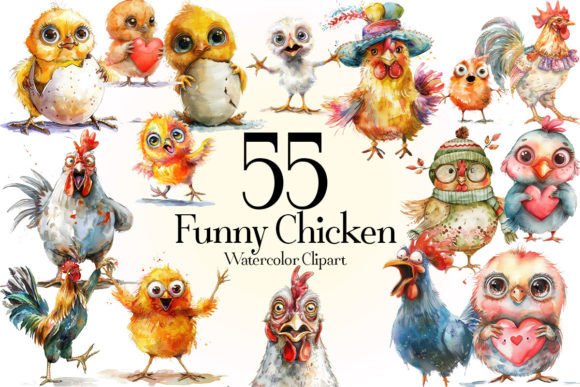
The "funny" aspect comes through in the expressions and poses. You will find cats making direct eye contact with lifted brows, cats wearing tiny hats, cats tangled in yarn with expressions of existential regret, and cats mid-sneeze with cartoonish accuracy. The humor stays gentle rather than slapstick. It is the kind of funny that makes you nod and smile rather than laugh out loud, which makes it suitable for professional contexts where you still want a human touch.
Brush stroke variation matters here too. Some clipart in this category uses dry brush techniques that create rough, textured edges. Others use wet-on-wet blending that produces soft, dreamy halos around the subject. The best sets offer both. If you layer these PNGs over patterned backgrounds or photographs, the transparency lets the underlying design peek through, creating a painterly feel that elevates the entire composition.
Where Watercolor Funny Cat Clipart Shines in Real Projects
This clipart style performs exceptionally well across several distinct use cases, and understanding each helps you deploy it with intention rather than decoration.
Social Media and Digital Content
Instagram feeds, Pinterest pins, and Facebook posts benefit enormously from watercolor textures because they stop the scroll. A flat quote graphic gets a single glance. The same quote framed by a watercolor cat raising one eyebrow earns a double-take and a save. Content creators in the wellness, humor, and lifestyle niches use these assets to build recognizable visual brands. A watercolor cat becomes a recurring character across posts, and followers start to anticipate its appearance. The PNG format with transparent background means you drop it into any template without extra masking work.
Small Business Branding and Packaging
Boutique tea companies, independent bookshops, cat cafés, and pet accessory brands use Watercolor Funny Cat Clipart PNG as signature brand elements. The handmade aesthetic signals care and authenticity. When printed on kraft paper stickers, tissue paper, or product labels, the watercolor effect feels intentional rather than cheap. Small business owners report higher engagement on packaging shots posted to social media when the design includes these organic textures. The humor factor also acts as a conversation starter. A candle jar with a watercolor cat wearing reading glasses instantly tells customers this brand does not take itself too seriously.
Editorial and Publishing Projects
Blog posts about pet care, funny animal stories, or creative living benefit from featured images that feel cohesive. Using consistent watercolor cat clipart across a series of articles builds visual continuity. Ebook covers for humorous non-fiction or cozy mystery genres often incorporate watercolor illustrations to signal lightness. The PNG format allows precise positioning within layouts, and the transparent background means you can overlay text directly on the lighter wash areas of the cat illustration.
Personal Projects and Gifts
Hobbyists and crafters use these clipart sets for greeting cards, wall art prints, and custom planners. A hand-stamped birthday card featuring a watercolor cat with a party hat and a slightly chaotic expression carries more emotional weight than a store-bought card. The printable nature of PNG files makes them accessible to anyone with a home printer and some cardstock. This democratization of quality design assets is one reason watercolor clipart remains consistently popular among the creative hobbyist community.
Design Integration and Visual Hierarchy
Watercolor textures influence how the eye moves across a composition. Because watercolor clipart has soft edges and variable density, it creates a natural focal hierarchy without needing harsh borders. Place a watercolor cat in the lower third of a social graphic, and the eye lands there first before drifting upward to your headline. The softness of the illustration contrasts effectively with strong sans serif typography. Pair a whimsical watercolor cat with a bold, clean sans serif font for headers, and the tension between the organic illustration and the structured type creates visual interest.
Brand identity built around watercolor assets communicates approachability and authenticity. A brand that uses Watercolor Funny Cat Clipart PNG consistently across its website, email headers, and packaging builds recognition through repetition of a distinctive visual style. The hand-painted quality signals that this brand values craftsmanship and personality over sterile perfection. For audience engagement, watercolor assets often prompt comments. People want to share their emotional reaction to a funny cat illustration. That engagement becomes data you can use to refine your content strategy.
Practical Guidance for Choosing and Using These Assets
Not all watercolor cat clipart is created equal, and knowing what to evaluate saves you time and disappointment.
Assessing Clipart Quality
Look for sets that offer high resolution at 300 DPI minimum. Low-resolution watercolor PNGs pixelate quickly when scaled, and the beauty of the texture disappears into jagged edges. Examine the save quality of the transparency. Some PNGs retain halos around the subject, which become visible when placed on colored backgrounds. Quality sets are clipped cleanly around the painted edges without sacrificing the natural brush fringe.
Evaluating Project Fit
Consider the emotional tone of your brand or project. A watercolor cat with a deadpan expression works for a humorous meme account but might feel out of place on a pediatric clinic's website. Match the cat's personality to your message. Some sets specialize in wholesome, sweet expressions, while others lean into sarcasm and side-eye. Know which energy your audience expects.
Pairing with Other Design Elements
Watercolor clipart pairs well with handwritten fonts for a cohesive artisanal feel, but it also works against geometric patterns or minimalist layouts for contrast. Test your pairing on a mockup before committing. The transparent PNG format makes it easy to swap backgrounds and test color combinations. Keep the rest of your layout relatively clean. Watercolor textures carry enough visual weight that additional competing textures can overwhelm the design.
Licensing and Commercial Use
Always verify the commercial license included with your Watercolor Funny Cat Clipart PNG purchase. Standard licenses typically cover use in marketing materials, social media, and printed products up to a certain volume. Extended licenses may be required for merchandise sold in large quantities or for digital products you resell. Reputable marketplaces like Creative Market, Etsy, and Design Cuts clearly state licensing terms in the product description. When in doubt, message the creator. Most independent illustrators are happy to clarify usage rights, and building that relationship can lead to custom commissions down the road.
Practical Recommendations from Experience
Keep your watercolor clipart organized by color palette and expression type. When you are working under a deadline, scrolling through a folder of mixed assets wastes time. Name your files descriptively. Instead of "cat_01.png," use "gray_tabby_sideeye.png" or "orange_fluff_sleepy.png." Your future self will thank you.
For print projects, run a test print on your target paper stock before producing in volume. Watercolor textures that look vibrant on screen can appear dull on uncoated paper, or the transparency layer can interact unexpectedly with certain ink formulations. A quick test saves reprint costs.
If you use these assets across multiple platforms, maintain a brand guide that specifies which cat illustrations represent which brand voice pillars. Maybe the sarcastic gray cat represents your educational content, while the sweet cream cat handles your community announcements. This system turns a funny clipart set into a genuine brand asset that communicates without words.
Finally, resist the urge to use every cat in a single design. Curate. One intentional watercolor cat placed strategically communicates more than a chaotic pile of adorable felines. Let each cat have its moment.